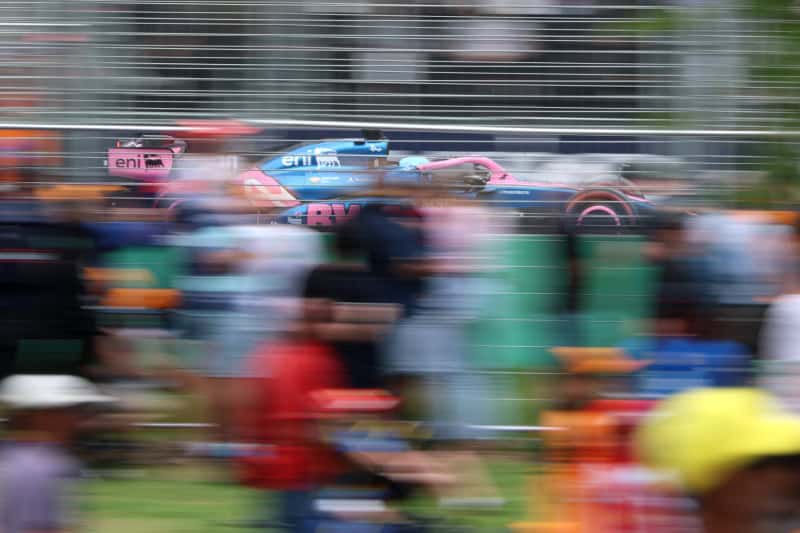
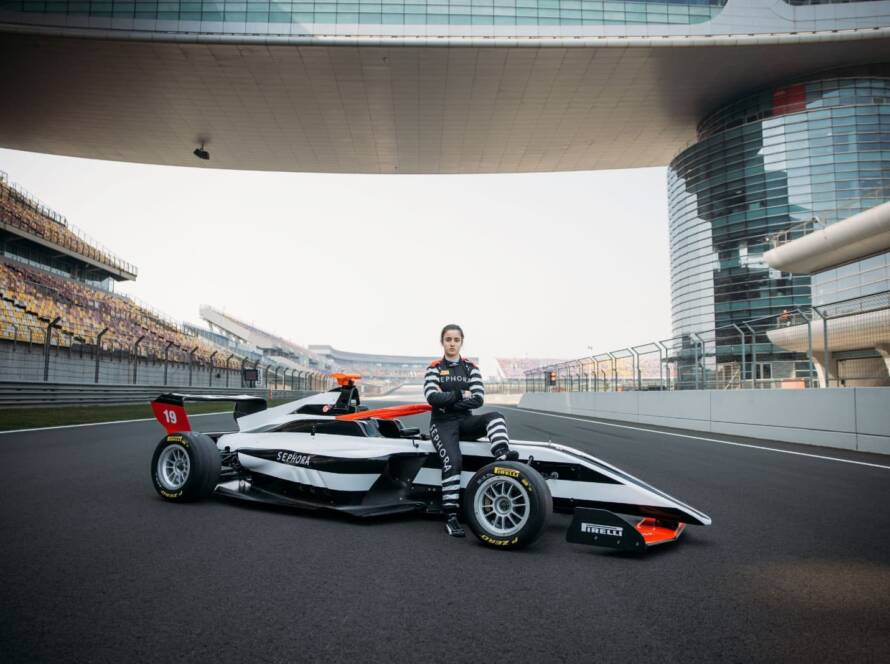
The Singapore Grand Prix is the closest thing Formula One has to a pressure chamber. It is a race that compresses every variable of performance into a single, unforgiving environment. Heat, humidity, low‑speed corners, relentless braking, and the absence of meaningful airflow combine to create a circuit where the car, the driver, and the strategy department are all pushed. Teams arrive knowing that whatever is fragile in their package will be revealed this weekend.
Marina Bay’s influence comes from how it compresses performance variables. It features slow‑speed corners and close walls, with long race distance. Drivers must manage pace, tyres, and concentration simultaneously, and any lapse immediately affects their stint.
The defining characteristic of Marina Bay is its corners. Featuring 19 turns, almost all of them slow, the circuit settles into a rhythm that requires precision over aggression. Drivers spend a large portion of the lap on the brakes and move through short bursts of acceleration before returning almost immediately to another heavy braking zone. That pattern shapes the entire weekend, because the car must generate mechanical grip, remain stable over bumps and kerbs, and deliver traction that does not fade as tyre temperatures rise. Packages that rely on aerodynamic efficiency for lap time find themselves constrained, while those built around compliance and balance tend to unlock more of the circuit’s potential.
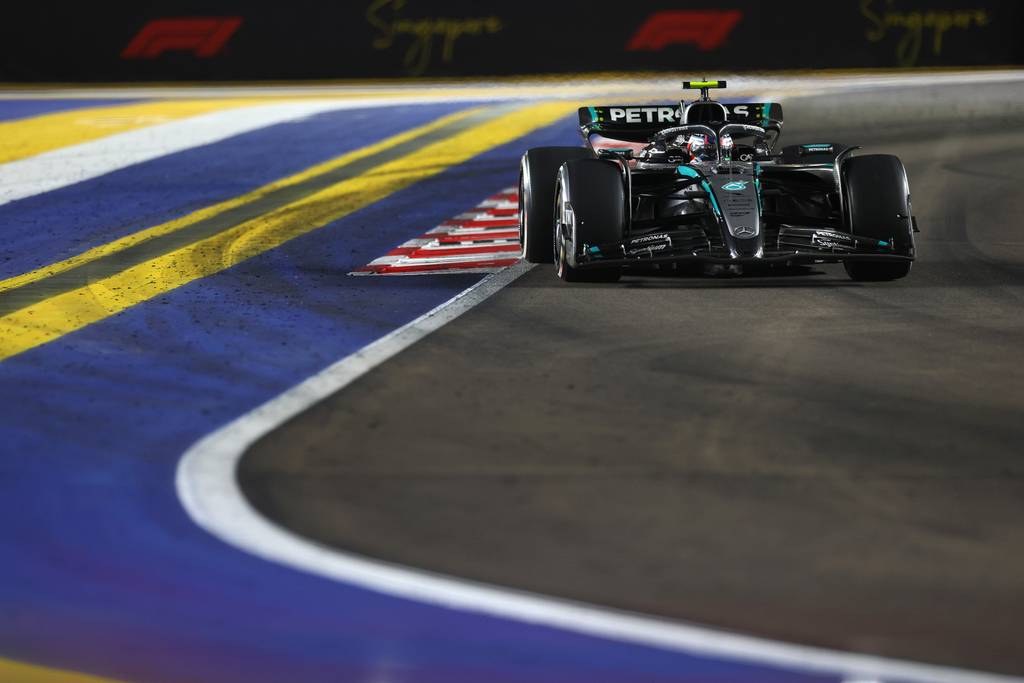
The track surface adds another layer of complexity. Early sessions run on a track that is dusty and green, however, grip improves rapidly as rubber builds, creating a meaningful difference between Friday practice and qualifying. Teams must chase that evolution, adjusting setups that may feel predictable on Friday but become unsettled by Saturday.
Climate serves as one of the circuit’s defining forces. Singapore’s humidity influences every aspect of performance, turning cooling into a constant challenge. Brake cooling becomes critical and power units operate under sustained strain. Drivers lose fluids at a rate unmatched anywhere else on the calendar, carrying both physical and mental load through a race that is an endurance test during a street race.
Technical demands and strategic realities
The technical demands of Marina Bay shape the competitive order in a way that feels distinct from most circuits. Rear tyre temperatures build steadily through the slow corners and repeated traction zones, and that heat becomes even harder to manage in traffic. Drivers who push early often spend the rest of the stint trying to bring overheated tyres back under control. Energy management is critical to the weekend. Because energy harvesting is tied entirely to kinetic braking under current power unit rules, Marina Bay offers frequent opportunities to recharge the battery, yet the real tactical battle lies in deployment. With short acceleration bursts between tight turns, drivers must balance electrical power on corner exit without draining the system before reaching the main straightaways. The Singapore Grand Prix rewards patience and rarely tolerates drivers who rush.
Track position can be an influential variable, as overtaking is limited and the layout offers few genuine opportunities to make a move. Qualifying carries more weight here than almost anywhere else and the pole conversion rate reflects that. Clean air allows drivers to manage tyres and temperatures, while those stuck in traffic face a compounding disadvantage as airflow, cooling, and grip all begin to fall away. Strategy groups will build their weekend around this known reality.
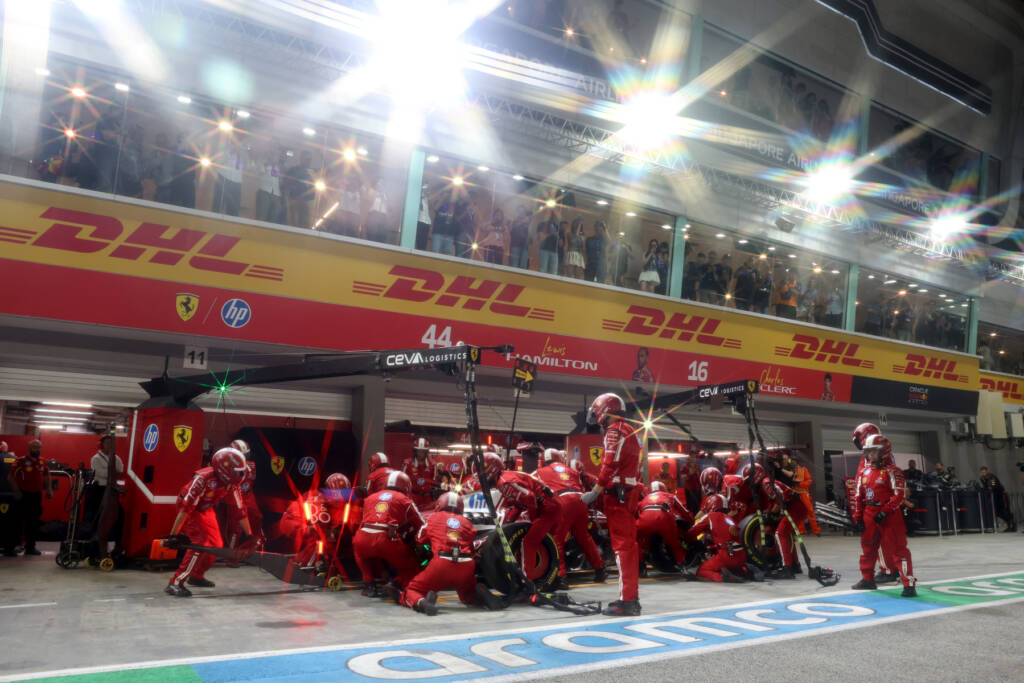
The pit lane is long and costly, which makes early stops unattractive unless damage or a safety car forces the issue. Neutralisations are common. The circuit’s tight geometry and close walls create conditions where incidents are likely, and teams prepare for interruptions by modelling scenarios where the race resets without warning. The ability to respond quickly becomes a competitive advantage.
The race itself demands sustained concentration. Drivers operate at high intensity for nearly two hours, with very little margin for error. A single lock up can compromise a stint, and a misjudged entry can lead to contact. The Singapore Grand Prix is a race defined by discipline. It is not usually won through bold moves, but rather consistency.
What this means for 2026
The 2026 landscape adds a different texture to the Singapore Grand Prix, because the new regulations, defined by narrower cars, reduced overall downforce, and a 50/50 split between thermal and electric power, have changed how performance is found and how weaknesses show themselves. Marina Bay’s slow corner profile and constant braking phases make it one of the clearest circuits for understanding how well a car handles the fundamentals. Stability, rotation, and mechanical grip matter more here than anywhere else, and the cars that have built their season around those qualities tend to settle into the weekend more naturally. Those that rely heavily on aerodynamic load often find the circuit gives them less room to work.
The Singapore Grand Prix also has a way of revealing where drivers are in their year. The race rewards those who manage tyres with care, who stay composed as grip levels shift, and who understand how to build pace without forcing it. Drivers who approach Marina Bay with patience usually find more consistency across the weekend, while those who chase time too aggressively often end up managing the consequences. It is a circuit that responds to intelligence and restraint. Across the season, Marina Bay functions almost like a reference point. It shows which packages have genuine depth and which ones rely on conditions that are not present here. It shows which drivers can maintain focus through a long, demanding race and which ones begin to fade as the physical and mental load builds.
Further track analysis can be found under the circuit profile tag.