


Susie Wolff is helping create more space for women in a sport that has historically given them very little of it. As Managing Director of F1 Academy, she is challenging the structures that have made motorsport difficult for female drivers to progress through, from karting to the opportunities available further up the ladder.
Her influence is not about creating a separate space for women, but making sure there is a clearer path for those who want to compete in a sport that has too often treated their presence as the exception.
A career that revealed the gaps
Wolff knows motorsport from several perspectives. She began karting at eight before progressing through Formula Renault, British Formula 3 and seven years in DTM. In 2012, she joined Williams as a development driver and in 2014 became the first woman since Giovanna Amati in 1992 to participate in an F1 weekend.
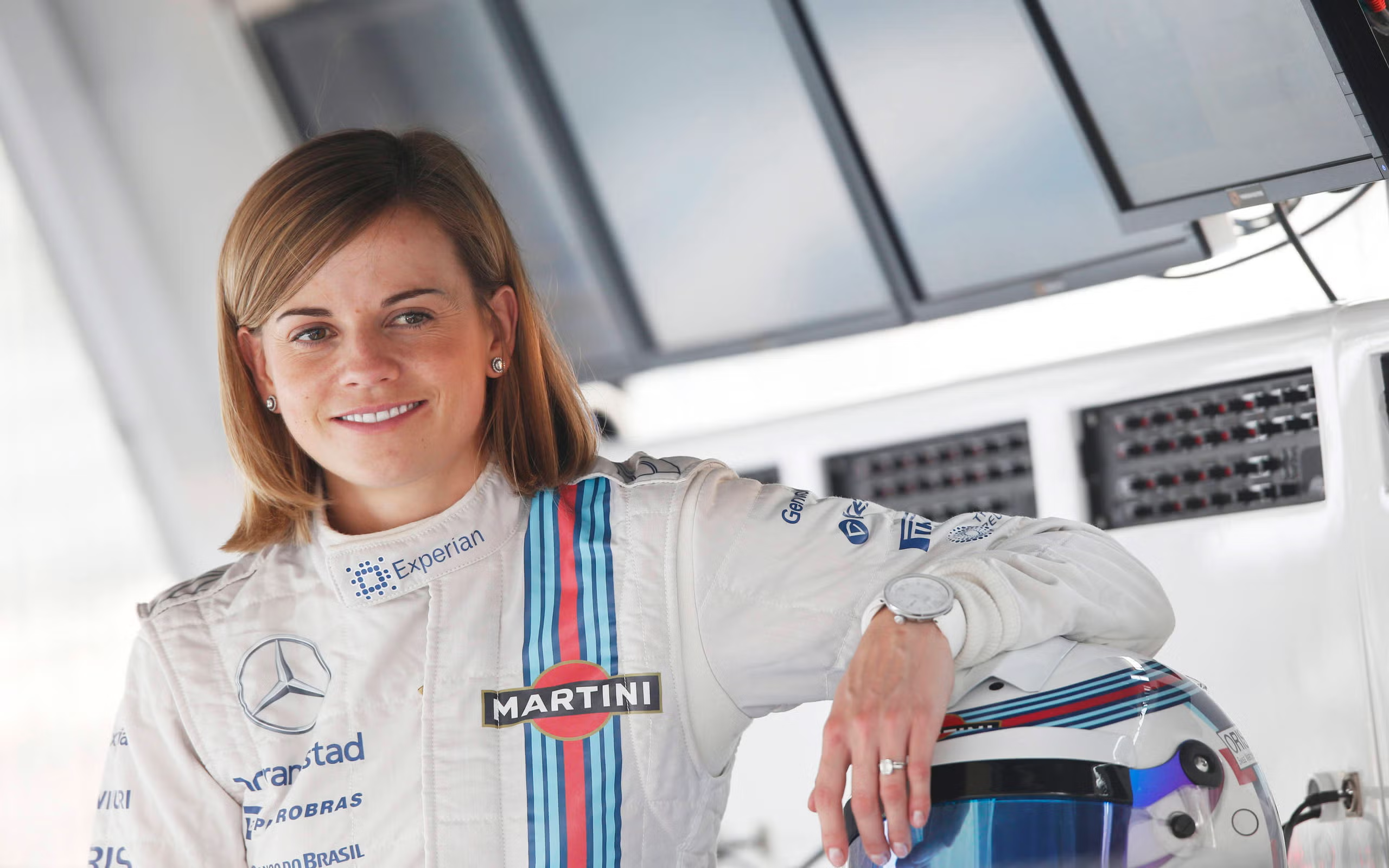
After retiring from racing in 2015, Wolff moved into team management with Venturi Racing in Formula E before becoming F1 Academy Managing Director in 2023. That experience has given her an understanding of the sport from both sides of the garage, from the challenges facing drivers to the decisions around talent and investment that can determine who progresses.
Building a wider pathway
F1 Academy’s place alongside Formula 1 has given female drivers greater visibility, with all 10 F1 teams supporting a driver. But Wolff’s influence goes beyond putting women in front of an F1 audience. It is about creating more ways for them to get there.
The Wild Card programme, introduced in 2024, gives regional drivers the chance to compete in selected F1 Academy rounds without already holding a full-season seat. That creates an opportunity to prove their ability before securing the backing traditionally needed to enter the championship.
Eight former Wild Card drivers have since progressed to full-time F1 Academy seats. At Silverstone in 2026, Chiara Bättig became the first Wild Card driver to take pole position and went on to score points.
Talent no longer has to arrive through one established route to be noticed. The championship is creating more opportunities for drivers to get their first meaningful chance.
Finding talent earlier
That thinking extends below F1 Academy too. Through programmes including Discover Your Drive and the Champions of the Future Academy, F1 Academy is becoming involved earlier in the development of female drivers.
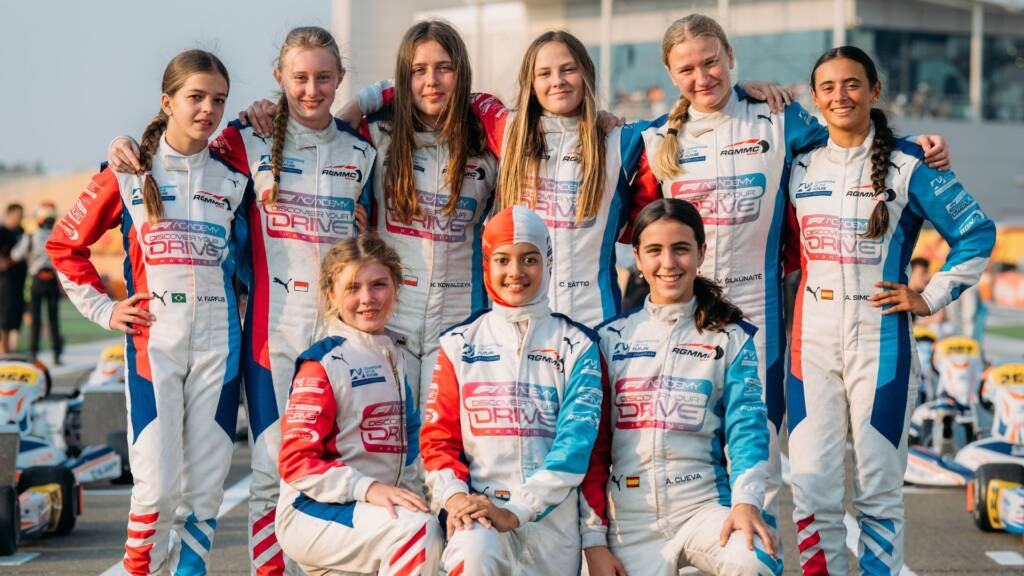
That matters because by the time a driver reaches single-seaters, years of access to karting, competition and funding have already shaped who remains in the pipeline. The Champions of the Future Academy saw female participation rise from 5% in its inaugural year to 30% in 2025, while F1 Academy-supported karters accounted for 25% of Senior category podiums that year.
The aim is not simply to support women once they reach F1 Academy, but to make sure more girls have the opportunity to reach it at all.
Creating more chances to be noticed
The Rookie Test follows a similar principle. Its inaugural edition brought together 18 drivers, with seven subsequently securing full-time F1 Academy seats.
While a test cannot remove every financial barrier in motorsport, it can give emerging drivers a chance to demonstrate their ability in comparable machinery and put themselves directly in front of teams. It adds another entry point to a system where opportunities have historically depended heavily on existing connections, results and funding.
Rather than waiting for the next exceptional female driver to emerge, Wolff is helping build more opportunities for that talent to be found.
Making women part of the picture
There is another part of Wolff’s influence that is harder to measure. She has spoken about changing perceptions around women in motorsport and making female participation feel normal rather than exceptional.
F1 Academy’s position alongside Formula 1 plays a role in that. Its drivers are competing at the same circuits and on the same weekends, putting women into an environment where they have historically been the minority.
For the next generation, that visibility is invaluable. A young girl watching F1 Academy is not just seeing women being given a chance to race. She is seeing female drivers occupying space within the same sport as the men she sees in Formula 1.
Is it working?
There is already evidence that F1 Academy can lead to opportunities beyond the championship. Doriane Pin, who won the 2025 title, has progressed into a Mercedes F1 Development Driver role and became the first F1 Academy champion to test a Formula 1 car.
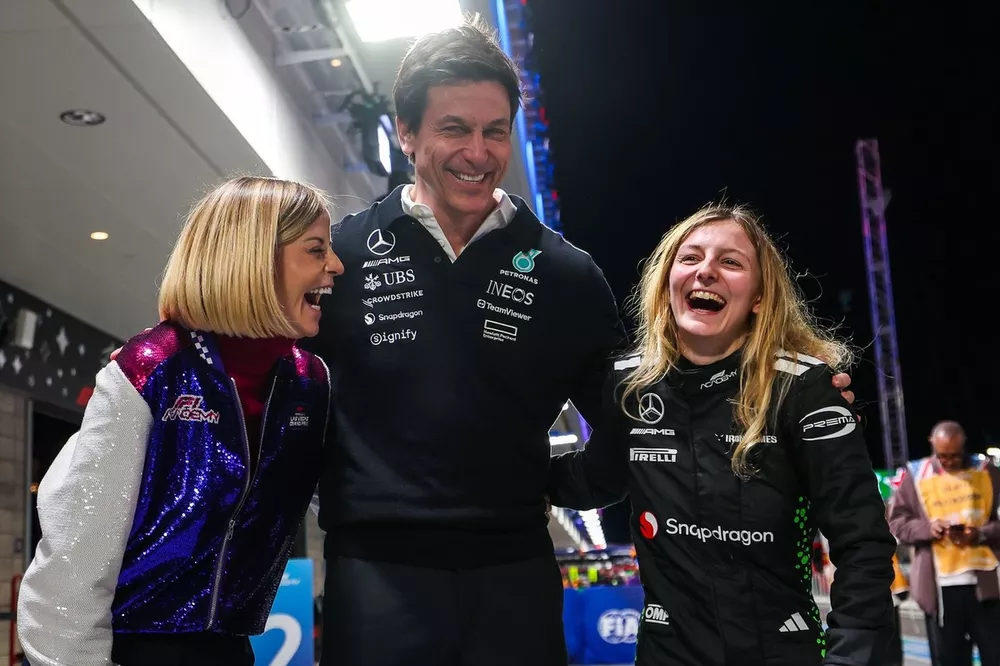
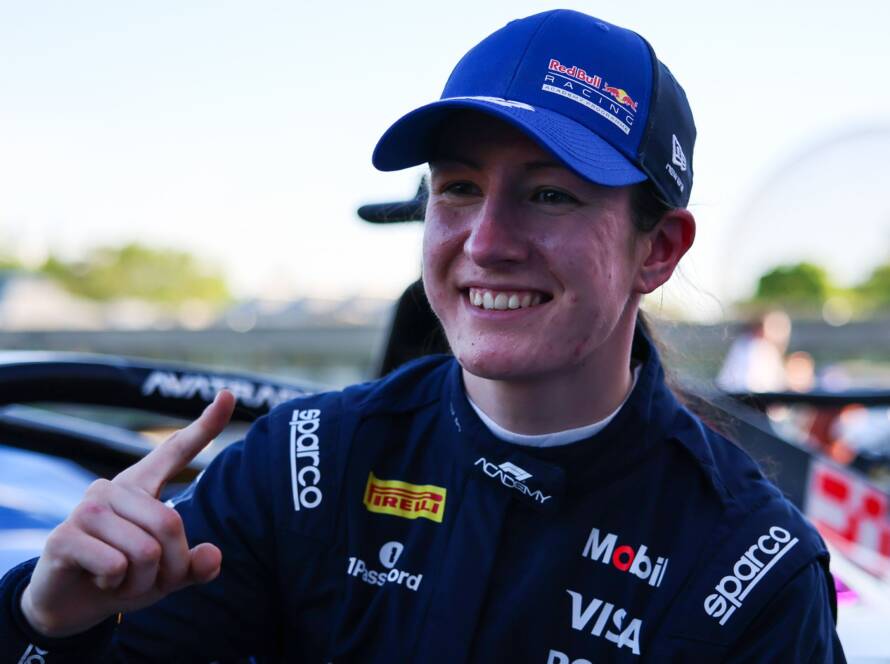
Abbi Pulling has moved into GB3 after winning the 2024 F1 Academy title, becoming the championship’s first female podium finisher before taking her first GB3 pole and race win. Maya Weug, meanwhile, has continued developing her career after finishing runner-up in F1 Academy, including testing opportunities in GT racing and Formula E.
Their paths are different, but that is part of the point. F1 Academy is giving drivers a platform from which they can move into different areas of motorsport rather than making the championship their final destination.
There is still no woman on the Formula 1 grid, so the ultimate goal remains unfinished. But judging the success of F1 Academy solely by who reaches F1 overlooks the careers being built along the way.
What comes next?
F1 Academy enters its fourth season in 2026 with seven Formula 1 rounds, including Silverstone. Its next challenge is not simply gaining more visibility, but ensuring the drivers it develops have somewhere to go afterwards.
The question is whether these opportunities can become the norm rather than the exception. Can more graduates move into higher levels of single-seater racing? Can teams continue investing in them after they leave F1 Academy? And can the wider pipeline produce enough talent that women are no longer fighting for limited space in a male-dominated system?
Wolff has helped open the door. The next challenge is making sure more women can walk through it, and keep going.


1 Comment
F1nnG1nn
Insightful article, Chloe. Susie Wolff is a trailblazer, alright! May there be many who follow in her footsteps.