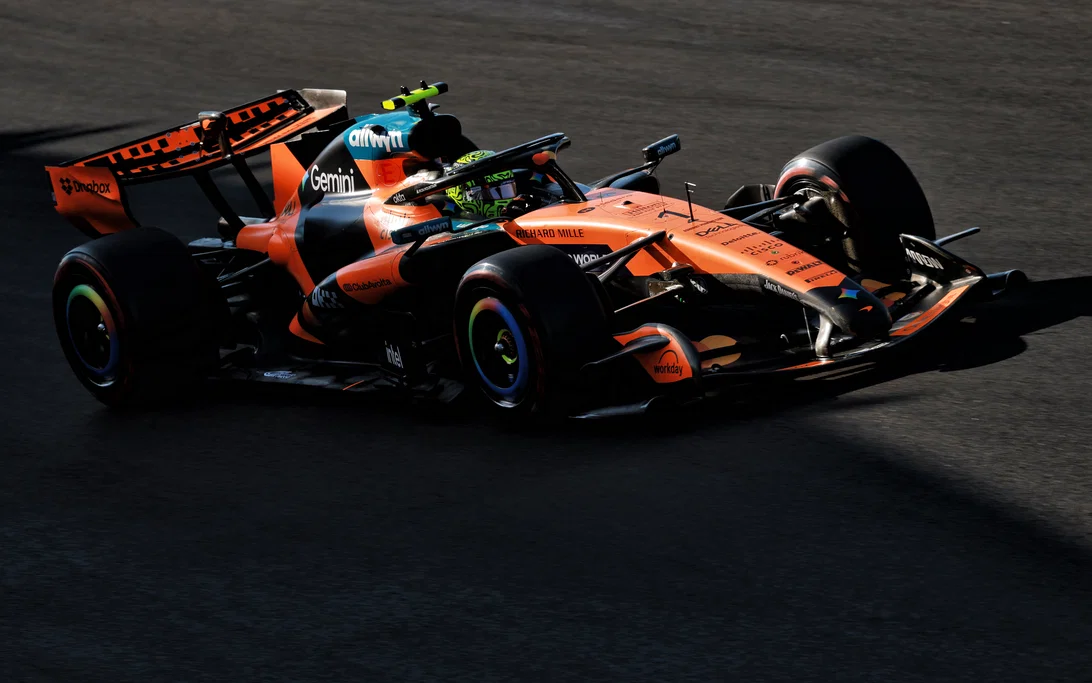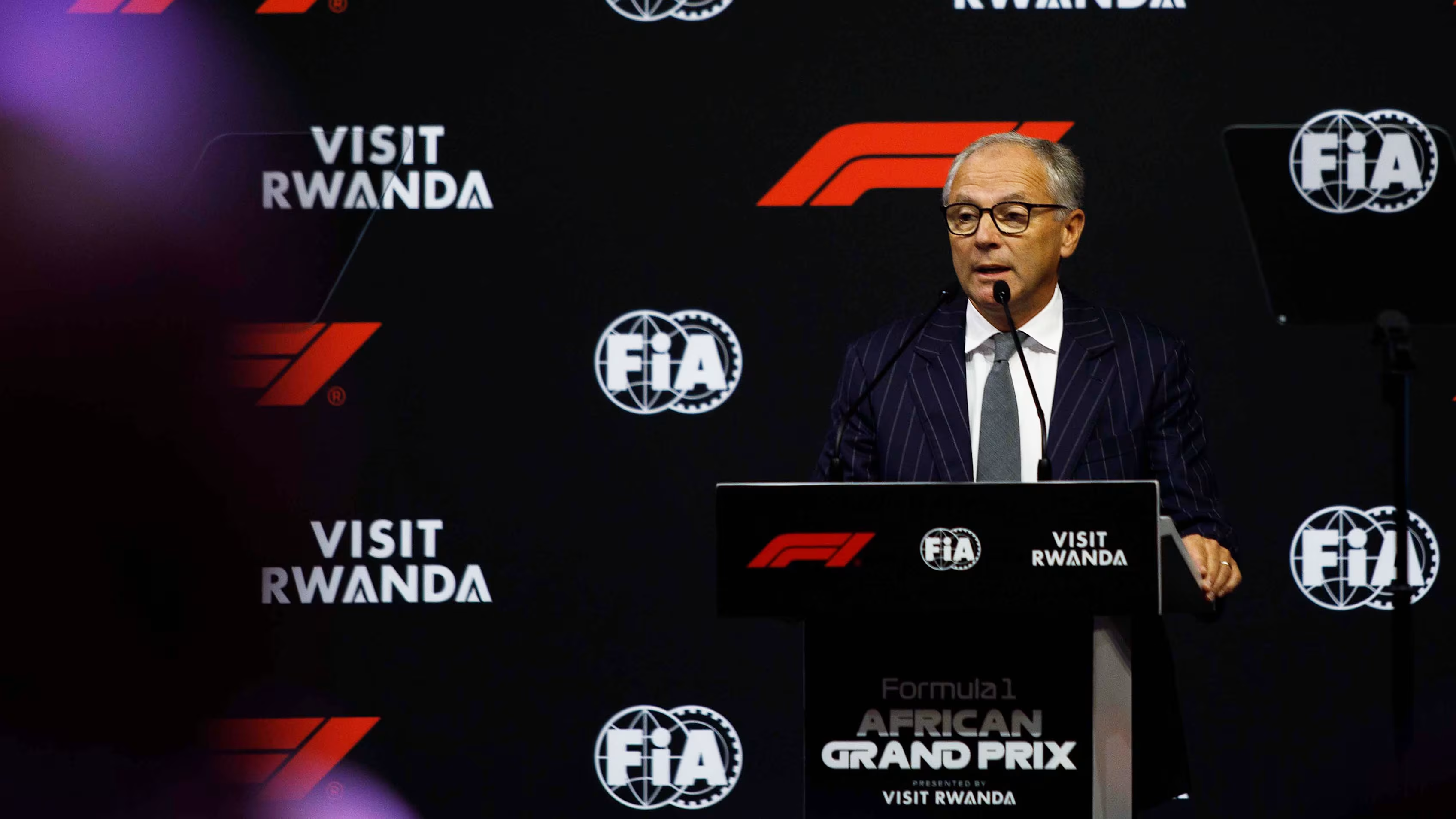
Formula 1’s planned return to Africa presents an opportunity to redefine what a truly global championship can look like. With Rwanda set to bring the sport back to the continent, the significance expands beyond the arrival of a new Grand Prix. It is a chance to explore what the milestone means for African motorsports, Rwanda’s ambition and the future of racing.
A continent reconnected
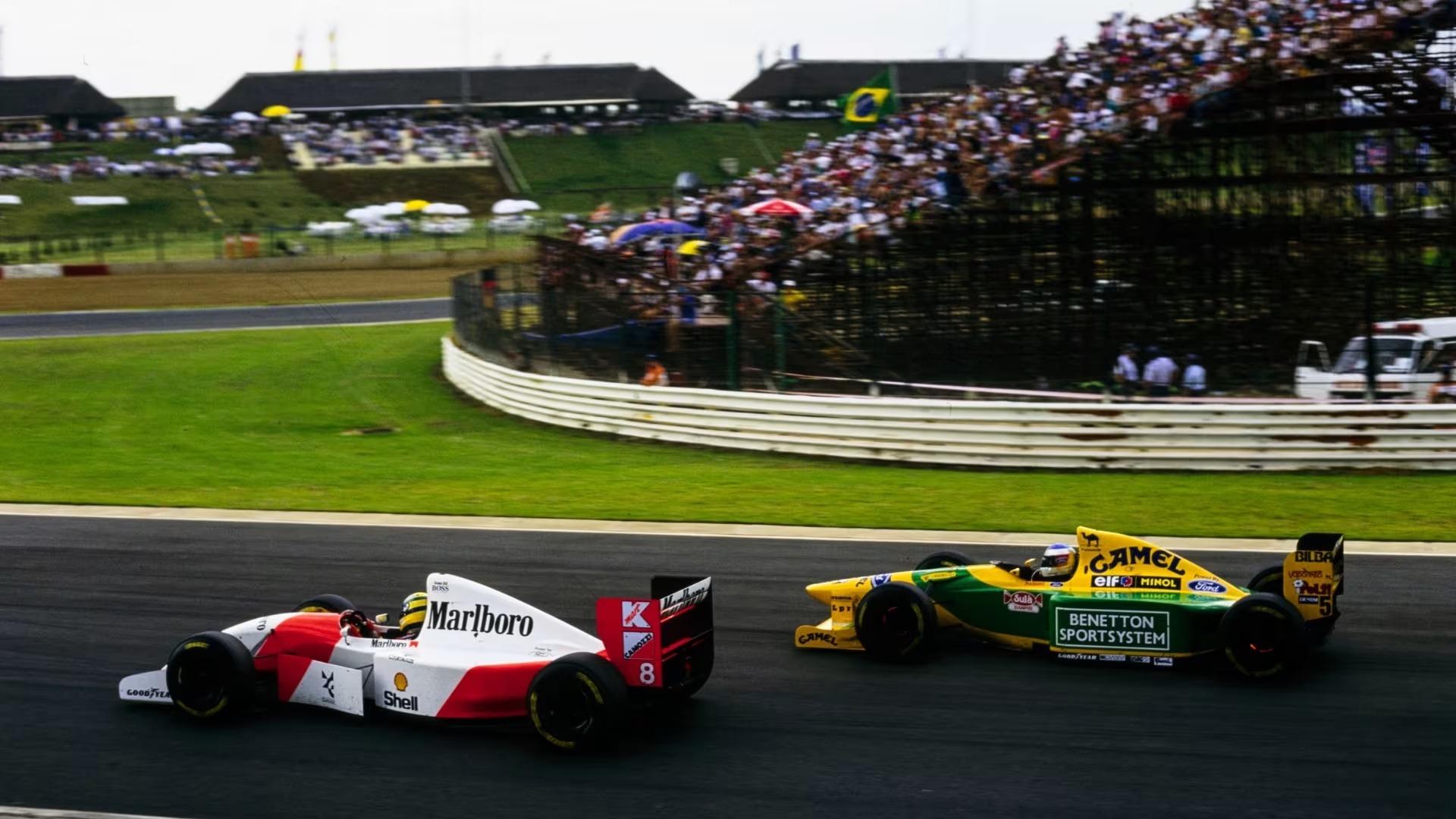
For more than three decades, Africa has been absent from Formula 1’s calendar. When the sport last raced on African soil, Alain Prost was beginning his final championship-winning season. Ayrton Senna was still at McLaren, and Michael Schumacher had yet to become a world champion. In 1993, Prost won the South African Grand Prix at Kyalami eighty seconds over Senna. Few could imagine so much time would pass before the championship planned a route back to the continent.
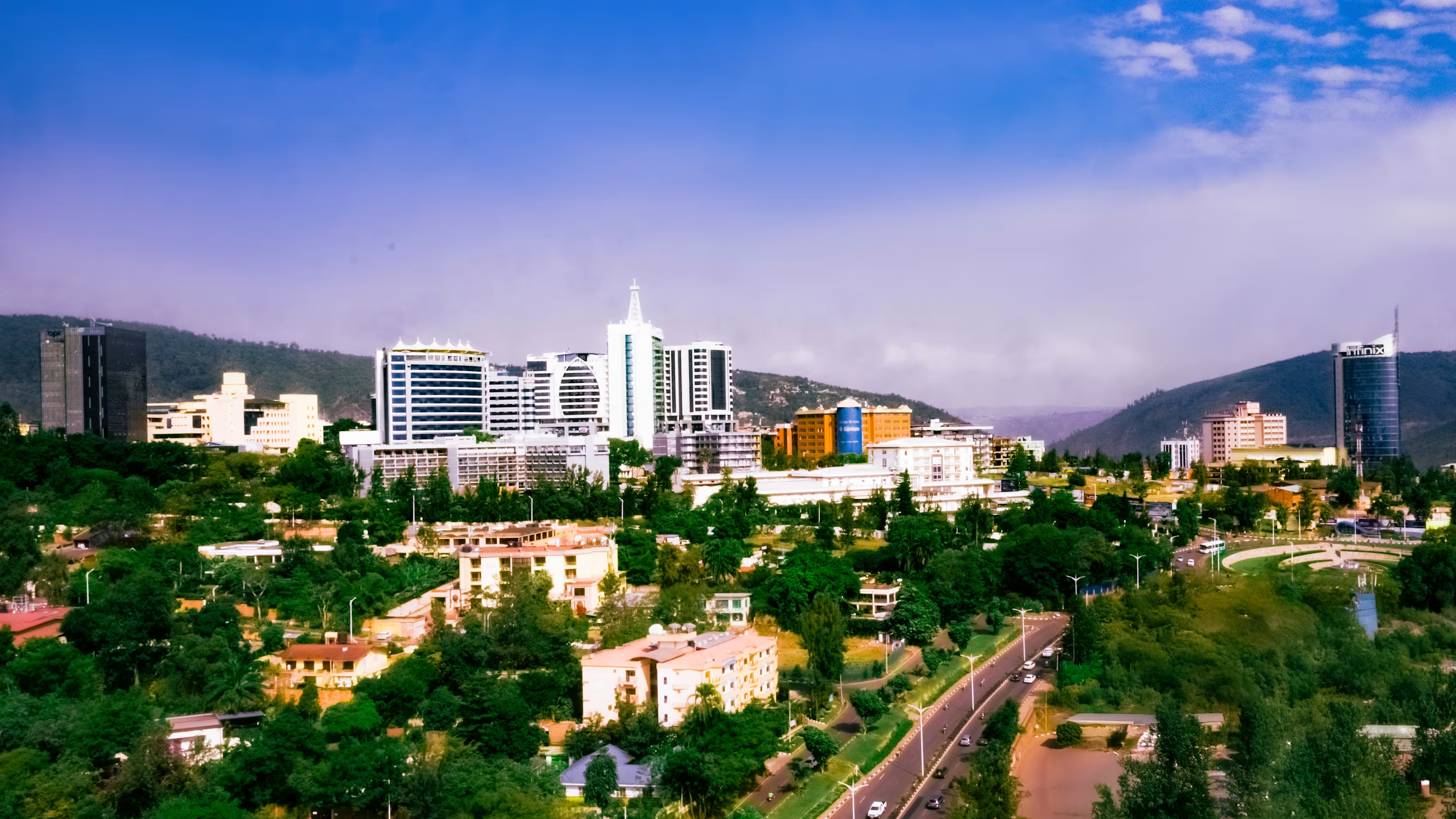
Rwanda’s landmark 10-year agreement to host the African Grand Prix at a new circuit in Bugesera has made that prospect a reality. The inaugural Grand Prix is scheduled for 2030. The circuit is expected to embrace Rwanda’s hills and natural terrain with elevation changes of 197 metres per lap to create a unique racing experience.
For millions of African fans, who have followed the championship from afar, this is more than just a new destination on the calendar. It is a chance to bring the spectacle closer to home. It also opens a new chapter in the relationship between Africa and the global championship.
A new chapter for African motorsports
For African motorsports, F1’s return could represent more than a moment in the spotlight. It could build fresh momentum for grassroot racing, engineering education and pathways into a sport that is difficult to access. South Africa’s Kyalami circuit offers an encouraging example of how a major venue can become part of a wider racing culture, hosting international and local competitions beyond Formula 1.
Rwanda now has an opportunity to build on that legacy. Its Grand Prix might bring new interest and investment, but the great potential lies in connecting global attention to local circuits, aspiring drivers and emerging engineers. With sustainable investment and accessible development plans, the race could help inspire a new generation and strengthen the foundations of African motorsports.
A race for opportunity
The potential gains for Rwanda also extend beyond sport, with the Grand Prix offering significant socio-economic opportunities for the country. Hosting Formula 1 could boost tourism, attract international investment and generate new business for the hospitality, transport and events industries. The goal will be transferring a high-profile weekend into benefits that last the whole year.
The proposed circuit in Bugesera is expected to help achieve this. With a planned capacity of 100,000, the venue is intended to host concerts, exhibitions and other major events beyond the F1 calendar. The proximity to Kigali’s new international airport could also strengthen the area’s appeal to international visitors.
There is already an established link between the race and Rwanda’s tourism ambitions. The event will be presented by Visit Rwanda, placing the country’s tourism brand at the heart of Formula 1’s return to Africa.
The opportunity is immense, but the outcomes are not guaranteed. Lasting gains will be determined by how effectively local businesses are involved, jobs are created and investment reaches beyond race week. The real measure of success will be whether Rwanda can turn the attention of a global championship into sustained economic value.
A global championship without borders
Africa represents more than the final piece in the sport’s geographical footprint. The continent is already home to more than 100 million fans, almost 60% of whom are under 35. Rwanda therefore offers access to an established audience, not simply the promise of a new one.
The global commercial opportunity is clear. There is a prospect to strengthen regional partnerships, attract new sponsors and bring the championship closer to a younger audience. Yet the greater significance lies in what Formula 1 chooses to do with its reach. A global championship cannot measure its success by the number of countries on its calendar; it must also consider how meaningfully it engages the audience within each region.
The arrival of the African Grand Prix in Rwanda provides Formula 1 with the opportunity to turn decades of African interest into a more connected relationship with the sport. The challenge is ensuring this connection extends beyond the race weekend, maintaining engagement rather than expanding the sport’s commercial footprint.
The legacy to come
When Formula 1 returns to Africa, it will be about more than just completing the map of a global championship. It will bring the possibilities of inspiring a new generation, growing African motorsports and creating lasting value for the region. Rwanda can now transform that ambition into reality. The chequered flag may mark the end of a race weekend, but it also signifies the beginning of a much bigger chapter for motorsports.