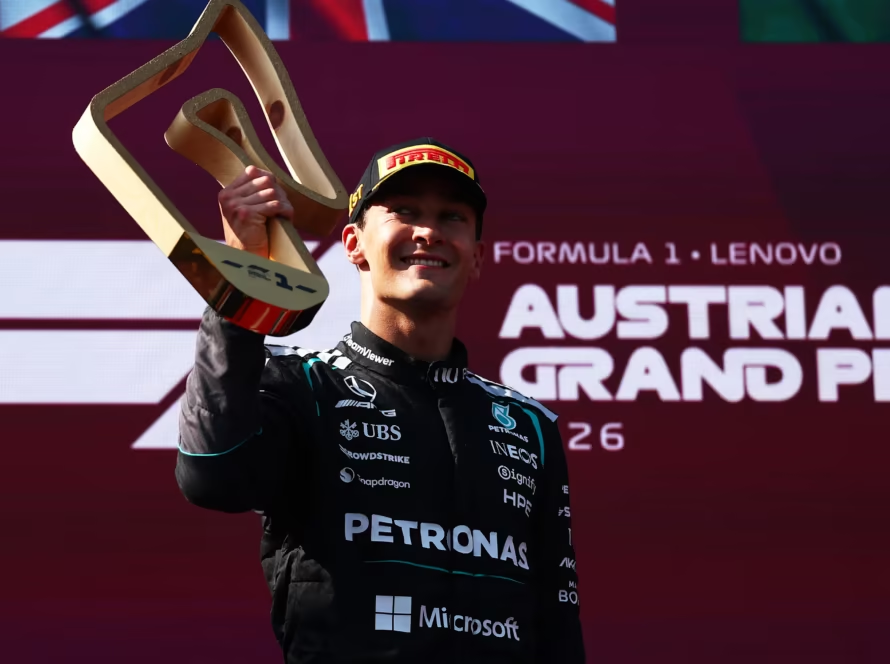
As the paddock reconvened at Zandvoort for the Dutch Grand Prix, ten of Formula 1’s twenty two drivers had their 2027 seats locked in by an actual signed and announced deal. Another four, George Russell, Kimi Antonelli, Nico Hulkenberg, and Gabriel Bortoleto, were about as safe as a driver can be without paperwork, their teams already on record saying they’re staying.
That leaves eight seats genuinely open, more than a third of the grid, with drivers who don’t yet know where, or whether, they’ll be racing next year. Every one of those twenty two contracts still technically expires at the end of this season.
What’s different is how much doubt actually sits behind each one, and that gap is where a contract year is either a formality or something closer to real jeopardy.
Who’s actually still deciding, and who’s just waiting on paperwork
The confirmed list reads like the sport’s steadiest names. Max Verstappen extended with Red Bull through 2030 in the buildup to this very weekend. Lewis Hamilton and Charles Leclerc are locked in at Ferrari, Lando Norris and Oscar Piastri at McLaren.
Carlos Sainz and Alex Albon both re-signed with Williams within a day of each other, just before Zandvoort. Pierre Gasly is tied to Alpine through 2028. Sergio Perez and Valtteri Bottas are settled at Cadillac.
Just behind that group sits a second tier that’s functionally safe even though nothing’s been formally signed off. Russell has said he’ll be at Mercedes “100%,” and Antonelli’s side of that garage is treated the same way internally, even with no press release yet.
Bortoleto has been blunt about it himself, telling Brazilian media he has “a long-term contract with Audi,” and Hulkenberg’s situation reads the same. Their contracts are, technically, exactly the kind of expiring deal this piece is about.
But there’s a real difference between racing out a season your team has already told you you’re finishing, and racing out one where the seat is genuinely up for grabs.
More than half the grid started 2026 without any public confirmation of a 2027 deal. Most of that has resolved race by race since, which is the normal shape of a silly season. What’s left now, the group without either a signature or a team publicly vouching for them, is smaller than half, but it’s still eight drivers.
Isack Hadjar is only signed through 2026 at Red Bull, with the second seat there technically open. Fernando Alonso is weighing retirement at 45 rather than commit to another season at Aston Martin, with teammate Lance Stroll’s future just as unresolved. Alpine’s seat alongside Gasly is unfilled.
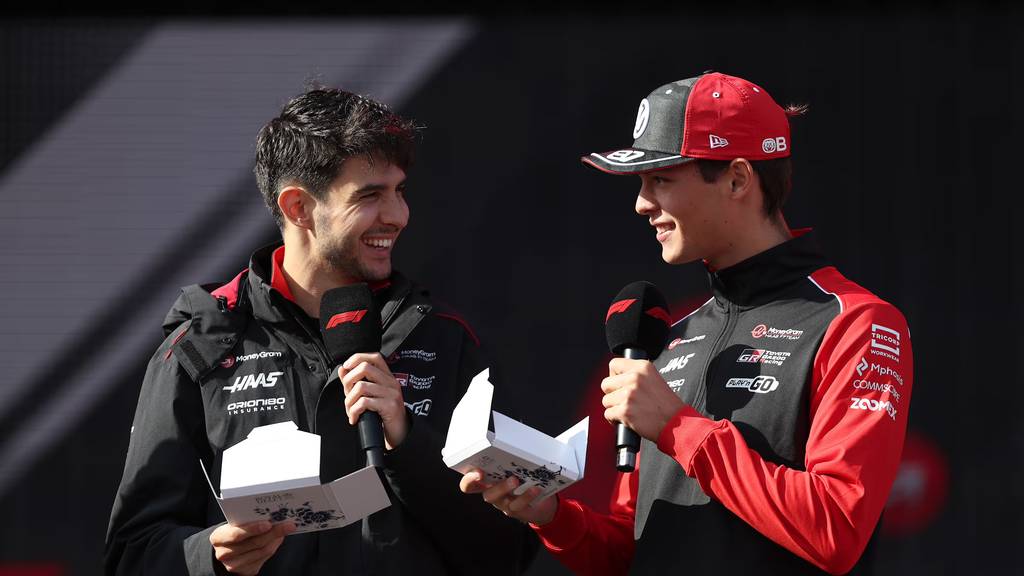
Esteban Ocon and Oliver Bearman are both out of contract at Haas. Liam Lawson and Arvid Lindblad have had a genuinely strong first half of 2026 at Racing Bulls and still don’t have next year sorted.
For these eight, there’s no team quietly reassuring them behind the scenes. The result on track is the only argument they’ve got.
What a contract year actually does to a season
The phrase itself is borrowed. Other sports have talked about the “contract year effect” for decades, the idea that athletes play their best hockey, their best baseball, in the season right before a new deal is on the line. The research on whether that’s actually true is mixed, and it should be treated that way here too.
Pressure doesn’t reliably make anyone faster. Some drivers thrive on it. Others find it corrosive. What does change, consistently, is what’s actually being optimized. A driver not thinking about next year is racing the car in front of him. A driver in a contract year is also racing the version of himself that a team principal, a sponsor, or a rival outfit is quietly building in their head. The car doesn’t change. What he’s playing for does.
That’s a strange thing to carry across twenty four race weekends. It’s not just about the outcome of any single Sunday. It’s the sense that the entire season is evidence, being filed away by people who don’t have to explain their verdict until it’s already made.
Carlos Sainz already lived this
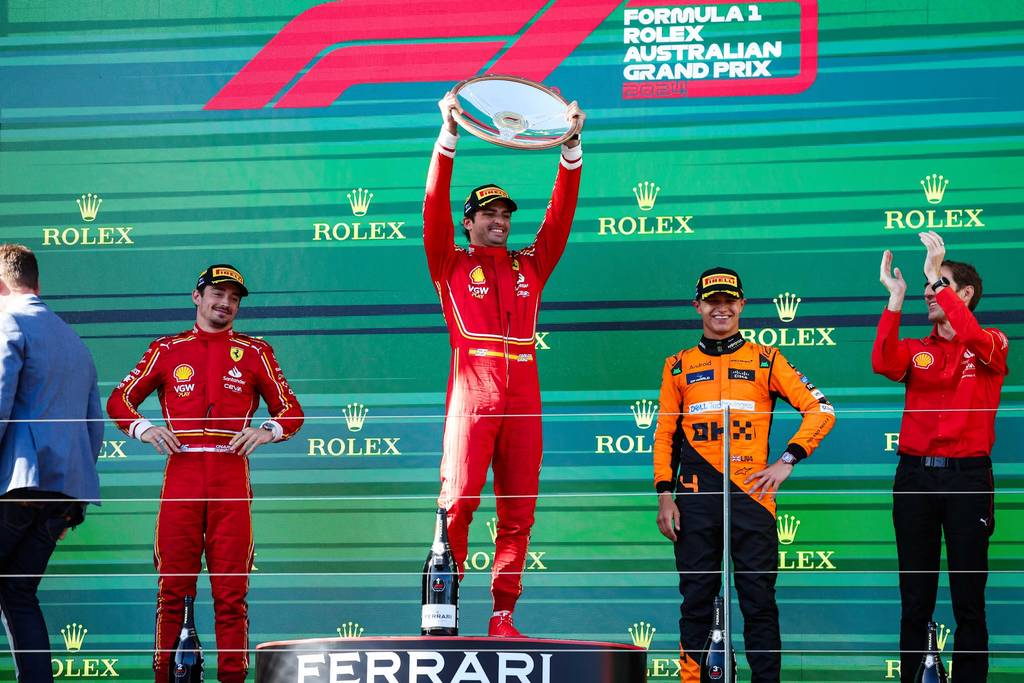
If anyone on the current grid can speak to what a contract year actually feels like, it’s Carlos Sainz, because he’s done it twice now, four seasons apart, with a very different ending each time.
In February 2024, Ferrari’s decision to replace him with Lewis Hamilton landed about a month before the Bahrain season opener, well before Sainz’s own renewal talks had gone anywhere. He’d expected to stay.
“It’s definitely not the best feeling to start with the season,” he admitted at the time. He later described the news as leaving him feeling like the world was against him, and said plainly that he “wasn’t prepared” for how hard it hit.
Then he went out and had one of the best seasons of his career. He returned from emergency appendix surgery to win in Australia weeks after the Hamilton news broke. He took pole and the win in Mexico. He finished fifth in the championship with two victories and nine podiums, a personal best, while genuinely unemployed for the following year.
By his own account, the hardest part wasn’t even Hamilton getting his seat. It was that three other teams with open drives never called at all. He eventually signed with Williams that December, choosing the long rebuild over anything flashier on offer.
Fast forward to this August, and Sainz has just closed the loop a second time. Williams announced his multi-year extension days before this Dutch Grand Prix weekend, right alongside Albon’s, even with the team sitting third from bottom in the constructors’ championship and rival outfits reportedly circling.
He’s the rare driver from the last big contract year wave who’s now completely clear of it, sitting in the same paddock as eight drivers still waiting for their own version of that call, with no reassurance to fall back on in the meantime.
The rookies who never left it
Sainz had four full Ferrari seasons, five pole positions, and race wins already banked when his 2024 contract year hit. The six drivers who made up F1’s 2025 rookie class didn’t have that when this season started, and one season in, they’ve ended up split into two very different positions.
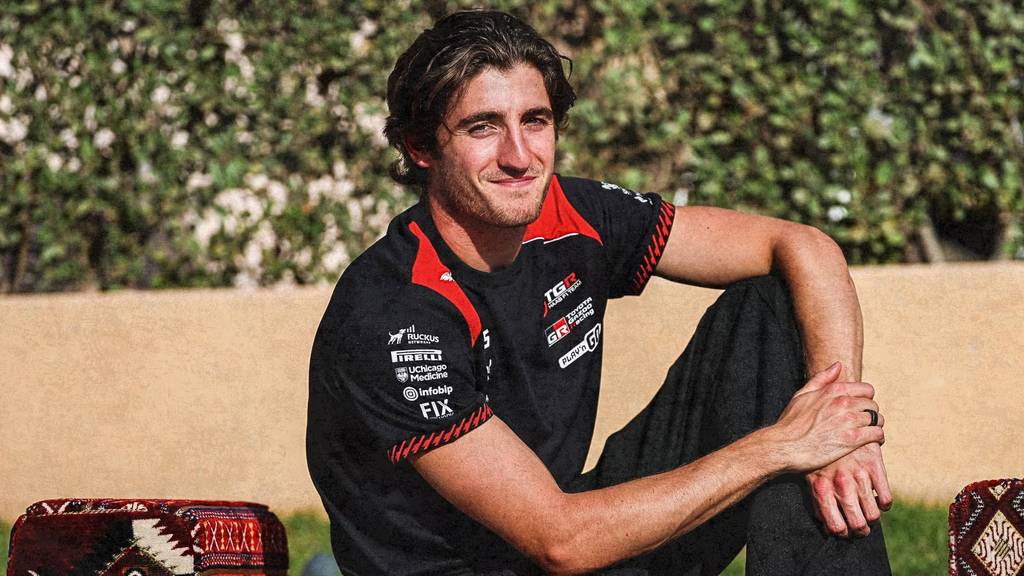
Jack Doohan is the cautionary tale sitting in the room. He didn’t even survive his own rookie year intact, swapped out mid-2025 for Franco Colapinto at Alpine before he’d had a full season to make his case. Of the other five, now in year two, Antonelli and Bortoleto are the closest thing this class has to Russell and Hulkenberg’s cushion, backed by teams that have already said, on record, they’re not going anywhere.
Hadjar, Bearman, and Lawson don’t have that. Hadjar was promoted straight into partnering Verstappen this year on a deal that’s only signed through this season, with no word yet on 2027. Bearman is out of contract at Haas. Lawson has quietly outscored expectations at Racing Bulls without a word yet on next year either.
Where Sainz’s 2024 was a known driver proving he still belonged, this is three drivers, barely a season into their careers, still building their case for belonging at all, while two of their own rookie classmates already know they don’t have to.
Most of this will resolve quietly in the coming weeks, the way it just did for Sainz and Albon. A handful of these names will re-sign where they are. A few will land somewhere else on the grid entirely, which in F1 terms still counts as landing on your feet.
That’s usually how contract years end, with far less drama than the ten weeks in between suggest. Sainz is proof it can end well, even after the ugliest possible start. What the next month decides is who else on this list gets to say the same thing.