


Twenty cars charge towards the first corner at more than 300 km/h. Engineers are feeding information through the radio, weather conditions are changing, and a single mistake can end months of preparation in seconds. Yet amid this intensity, Formula 1 drivers must remain calm, process information and make decisions with remarkable precision. Their ability to maintain composure under extreme pressure offers valuable lessons from F1 for anyone operating in a high-stakes environment.
Why chaos is the new normal
Modern workplaces may not involve race cars, but they are increasingly defined by uncertainty. Leaders are expected to make decisions with incomplete information, employees face constant notifications and competing priorities, and industries can change almost overnight.
In many ways, the conditions resemble a Formula 1 race. Circumstances evolve rapidly, unexpected challenges emerge, and the margin for error can be small. Some of the most relevant lessons from F1 emerge from the sport’s ability to thrive amid constant uncertainty and change.
What separates high performers is not their ability to eliminate uncertainty. It is their ability to operate effectively despite it. Formula 1 provides a useful example because drivers must perform at an elite level while surrounded by constant distractions and pressure.
Filtering the noise
One of the most impressive aspects of Formula 1 is the amount of information drivers process during a race. They monitor tyre temperatures, fuel usage, track conditions, competitor behaviour and team communications, all while travelling at extraordinary speeds.
The secret is not processing everything equally. Drivers learn to prioritise the information that matters most in a given moment. Among the most practical lessons from F1 is the importance of filtering information rather than trying to process everything at once.

In business and other high-stakes environments, people often assume that more information leads to better decisions. The reality is often the opposite. Information overload can create hesitation, confusion and poor judgement.
Elite performers understand that attention is a limited resource. They identify the signals that matter and consciously ignore the rest. This does not mean overlooking important details. It means recognising that not every piece of information deserves the same level of attention.
The lesson is simple but powerful: clarity often comes from subtraction rather than addition.
Decision-Making under pressure
Formula 1 drivers rarely have the luxury of perfect information. An overtaking opportunity may appear for only a fraction of a second. A safety car can completely change race strategy. Weather conditions can transform the competitive landscape within minutes.
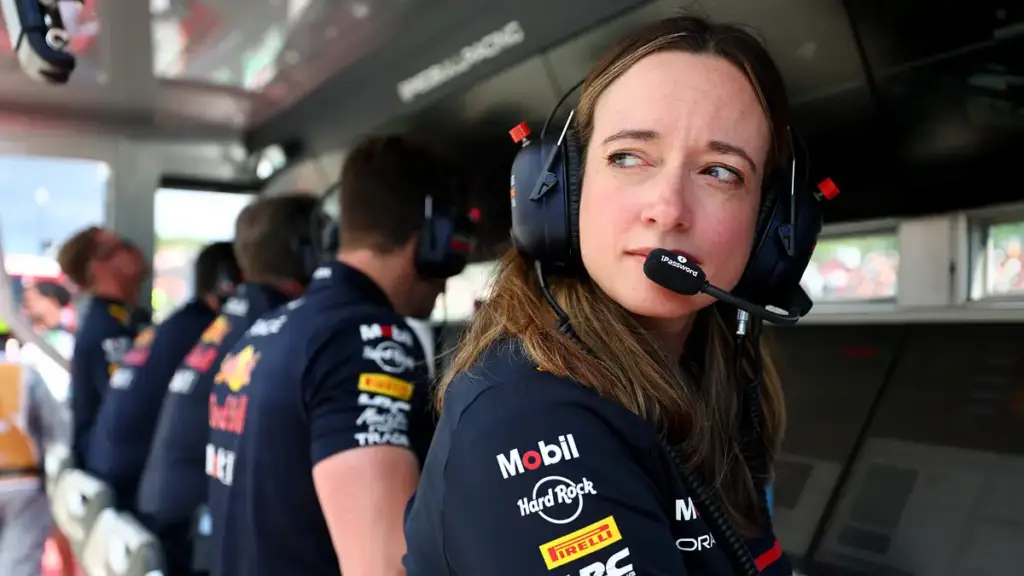
Success depends on making decisions quickly and adapting when circumstances change. One of the most valuable lessons from F1 is that waiting for perfect information can often be more damaging than making an informed decision quickly.
Many organisations struggle because they wait for certainty before acting. Yet certainty is often unavailable in dynamic environments. The most effective leaders recognise when they have enough information to move forward.
Formula 1 demonstrates the value of decisive action combined with flexibility. Drivers commit to a course of action, monitor the outcome and adjust when necessary. Rather than seeking perfect decisions, they focus on making the best possible decision with the information available at the time.
This mindset encourages progress instead of paralysis.
Staying calm when the stakes are high
Pressure affects everyone. Heart rates increase, stress hormones rise and attention can narrow. In extreme situations, even highly capable individuals can become overwhelmed.
Formula 1 drivers experience these physiological responses every race weekend. Yet they are trained to remain composed through preparation, routine and mental conditioning. The psychological lessons from F1 demonstrate that calmness under pressure is usually the result of preparation rather than personality.
Much of this happens before the race even begins. Drivers spend countless hours in simulators, visualising scenarios and rehearsing responses. By preparing for potential challenges in advance, they reduce the cognitive load when those challenges occur in reality.
This principle applies far beyond motorsport. People often associate calmness with personality, assuming some individuals are naturally composed under pressure. In reality, calmness is frequently the result of preparation.
The more familiar a situation feels, the less disruptive it becomes. Preparation creates confidence, and confidence helps preserve performance when stakes are high.
The power of teamwork and trust
Although Formula 1 often highlights individual drivers, success depends on an enormous team effort. Engineers, strategists, mechanics and support staff all contribute to performance. The driver may be the most visible member of the team, but they are never operating alone.
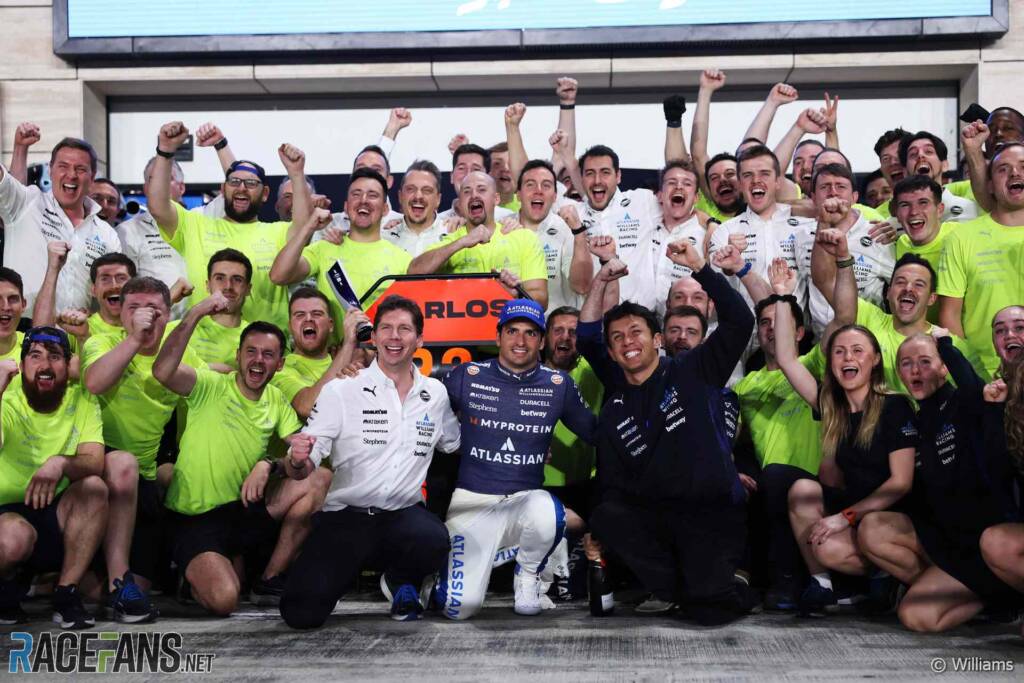
Beyond individual performance, some of the strongest lessons from F1 relate to communication, trust and teamwork. Drivers rely on their teams to provide accurate information, manage strategy and support decision-making throughout the race.
Trust plays a central role. When communication is clear and responsibilities are understood, individuals can concentrate on their specific tasks without becoming overwhelmed by everything else happening around them.
The same principle applies in business, healthcare, emergency response and countless other fields. Strong teams reduce uncertainty by creating structure. Clear communication prevents confusion. Defined roles eliminate duplication and conflict.
High-performing organisations understand that focus is not solely an individual responsibility. It is often the result of effective systems and teamwork.
Learning from every lap
One of the most valuable habits in Formula 1 is the commitment to continuous improvement. After every race, teams conduct detailed debriefs. They analyse decisions, review data and identify opportunities to improve.
Continuous improvement is one of the enduring lessons from F1, where every race becomes an opportunity to learn and adapt. Mistakes become lessons rather than failures.
Importantly, the objective is not to assign blame. It is to understand what happened and improve future performance. This creates a culture where people can learn openly and adapt more quickly.
In many industries, reflection is often overlooked because attention immediately shifts to the next challenge. Formula 1 demonstrates the value of pausing to analyse performance before moving forward.
The ability to learn consistently may be one of the greatest competitive advantages available to any individual or organisation.
Thriving under pressure
Formula 1 offers a powerful reminder that high performance is not about eliminating complexity. The sport thrives on complexity. Success comes from learning how to navigate it effectively.
The best drivers do not avoid pressure, uncertainty or distraction. They develop systems, habits and mindsets that allow them to perform despite them. Ultimately, the most important lessons from F1 are not about racing at all, but about maintaining clarity and performance when the stakes are highest.
Whether in a boardroom, a hospital, a trading floor or a race car, the lesson remains the same. Chaos is inevitable. The real advantage belongs to those who can maintain clarity when everything around them is moving at full speed.


